Violation
An expectation is broken, so the viewer stops to resolve it. Occlusion, impossible physics, wrong context, broken pattern.
SocialHook AI / Hook archetypes
A hook archetype is a repeatable picture structure that stops a viewer for a known psychological reason. SocialHook AI uses 15 of them, grouped into five families: violation (the picture breaks an expectation), pop-out (one thing stands apart), gap (something is hidden or missing), comparison (two sizes or states are forced together) and concrete (an abstract idea becomes an object). The skill picks or is assigned one archetype per post, builds a single metaphor inside it, and never repeats an archetype within eight posts.
| Archetype | Family | Best for |
|---|---|---|
| 1. Occlusion | Violation | Manifestos, bold reframes, position statements |
| 2. One of many | Pop-out | Differentiation, positioning, why us |
| 3. Scale violation | Comparison | Overwhelm, hidden leverage, the small thing that decides everything |
| 4. Hard split | Comparison | Before/after, us-vs-them, two roads |
| 5. Impossible physics | Violation | Broken systems, false logic, illusions of progress |
| 6. Cross-section | Gap | What's really going on underneath, diagnostics, hidden cost |
| 7. Negative space | Pop-out | Memorable, brand-forward, clever positioning |
| 8. Literalised idiom | Concrete | Waste, futility, effort without progress |
| 9. Aftermath | Gap | Consequences, hindsight, cost of inaction |
| 10. Data made physical | Concrete | Proof, results, numbers that would otherwise be ignored |
| 11. Wrong context | Violation | Misplaced effort, wrong environment, solutions that don't fit |
| 12. Broken pattern | Violation | Disruption, systems failing, the exception |
| 13. Threshold | Concrete | Decisions, entry points, opportunity, the next step |
| 14. Convergence | Comparison | Focus, prioritisation, strategy, all of this leads to one thing |
| 15. Trace / residue | Gap | Legacy, habits, patterns, what people repeatedly do without noticing |
An expectation is broken, so the viewer stops to resolve it. Occlusion, impossible physics, wrong context, broken pattern.
One element is isolated from everything around it. One of many, negative space.
Information is visibly missing, which creates curiosity. Cross-section, aftermath, trace or residue.
Two sizes, states or directions are forced into one frame. Scale violation, hard split, convergence.
An abstract idea becomes a physical thing. Literalised idiom, data made physical, threshold.
Each example below was generated from one prompt for a made-up brand. The same five brands appear three times each, with a different archetype, field colour and type voice every time.

01 · Violation
The message sits exactly where the eye expected a face.

02 · Pop-out
Forty identical objects make the one exception impossible to miss.
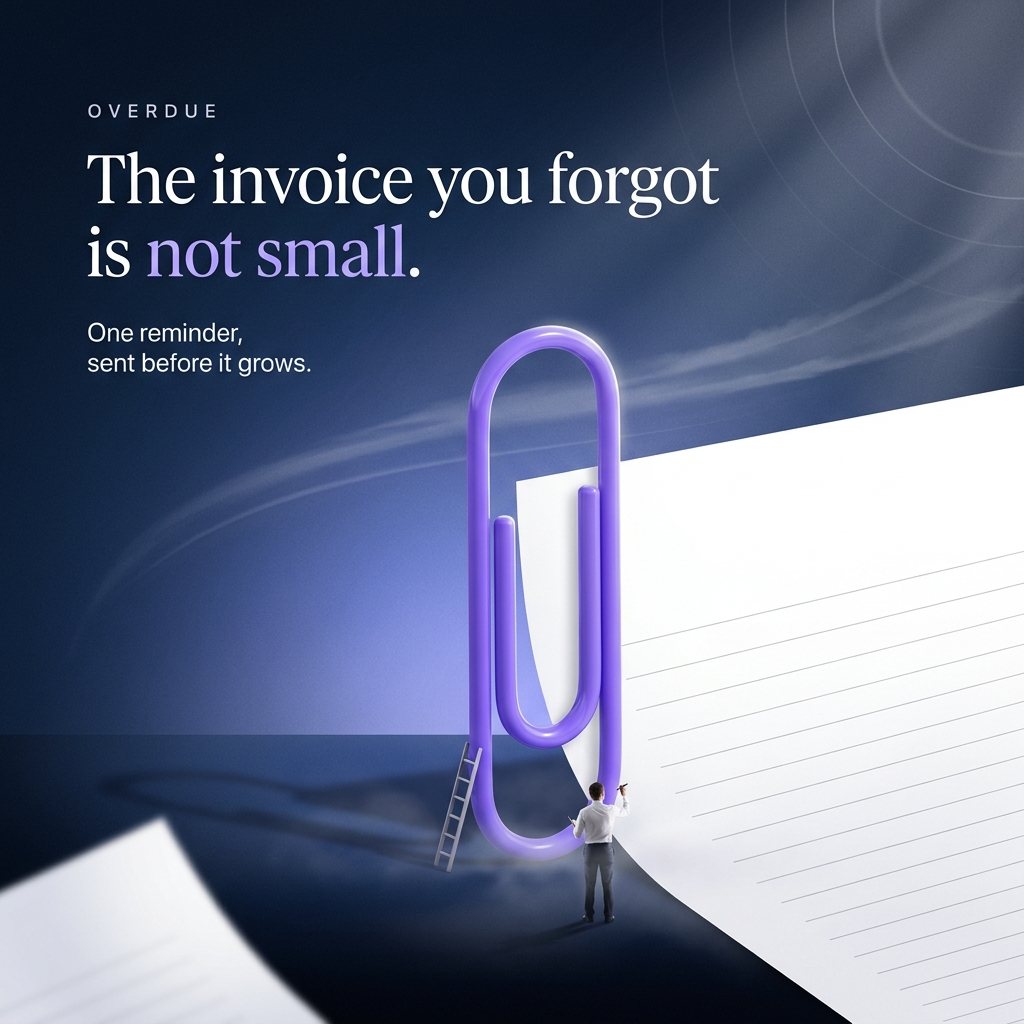
03 · Comparison
A mundane object at monument size forces a size comparison.
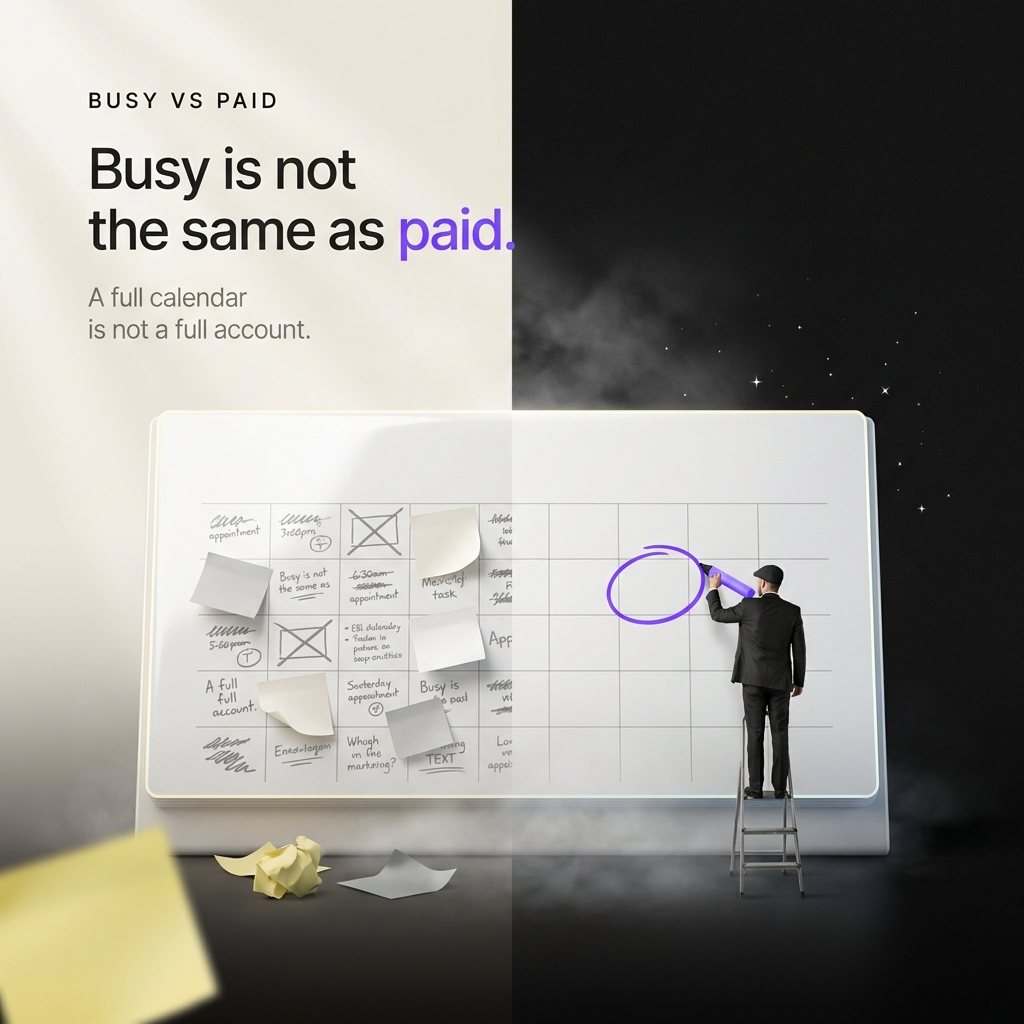
04 · Comparison
One object cut in two states makes the contrast do the arguing.

05 · Violation
The eye stops on what cannot be true, then looks for the reason.
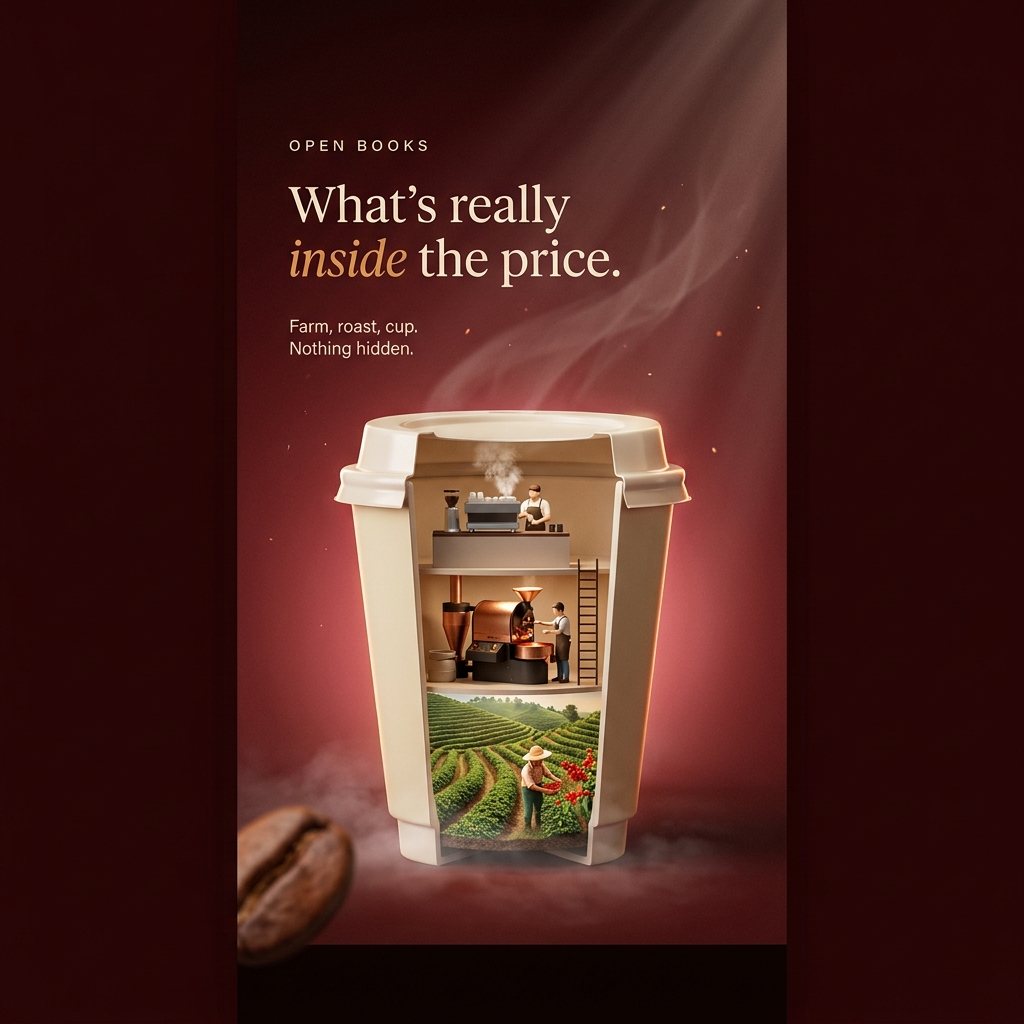
06 · Gap
A cut-open object promises a hidden answer, so people look closer.

07 · Pop-out
A nearly empty frame gives the single mark all the attention.

08 · Concrete
A phrase everyone knows, shown as a real object, is read in a blink.

09 · Gap
Showing only the result makes the viewer rebuild the story.
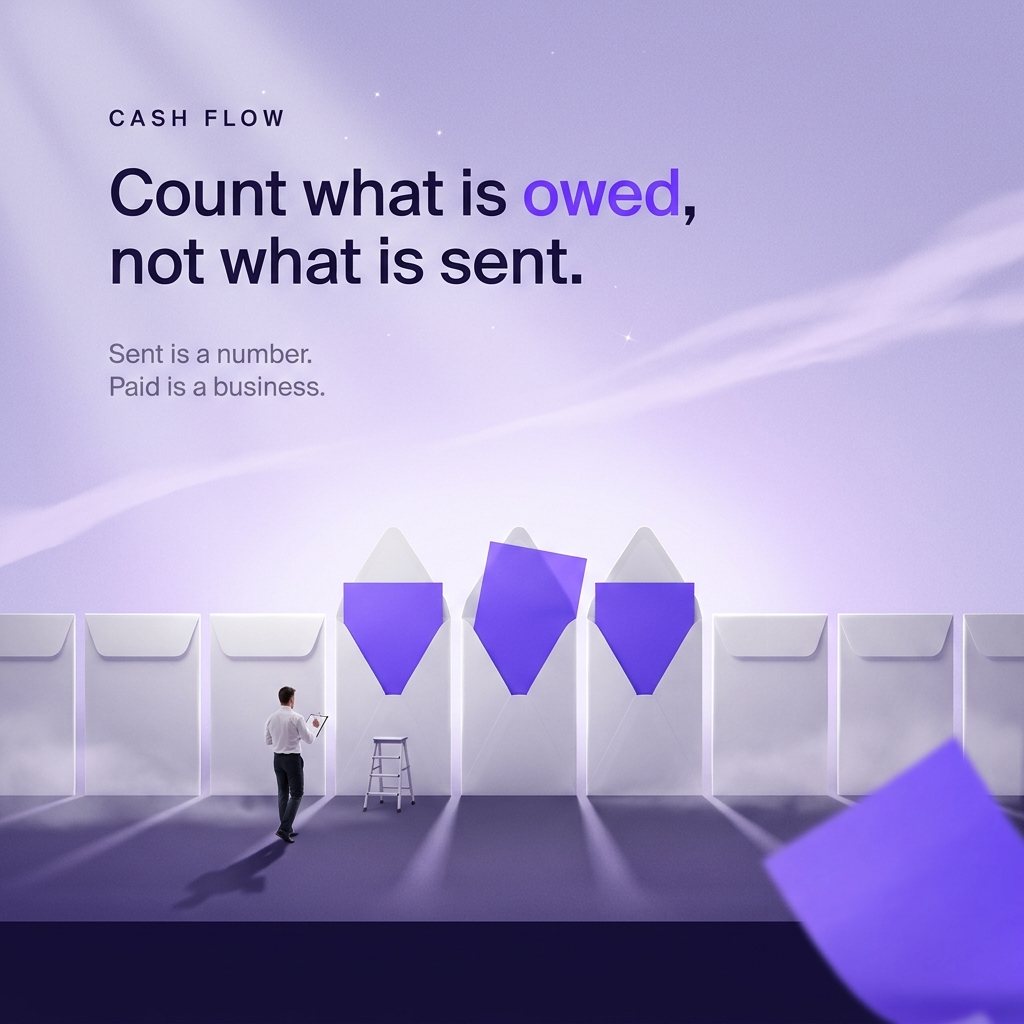
10 · Concrete
A quantity you can count with your eyes is believed faster.

11 · Violation
A normal act in the wrong place reads as a mistake to solve.

12 · Violation
A perfect rhythm with one break pulls the eye straight to the break.

13 · Concrete
A doorway is a decision; the viewer feels which side they are on.

14 · Comparison
Many lines aimed at one point tell the eye exactly where to land.

15 · Gap
A mark left behind makes people ask who made it and why.
The first mistake is using two metaphors in one picture. Two metaphors equal zero metaphors: the viewer cannot tell which one is the argument. The second is repeating the archetype that worked. An identical execution loses force after a few exposures, and a feed of look-alikes removes the contrast that made the first one stand out. That is why the skill rotates archetypes under written limits and keeps a log per brand. See how the rotation works.
Composition, requirements and failure cases for every archetype, plus the rotation engine that assigns them.
Get it from $29